
In the competitive landscape of ultra-luxury hospitality, the difference between a stay and an experience often lies in architectural audacity. While standard balconies and glass floors have become commonplace, elite developers are turning to a more evocative material: marine-grade mesh.
From the turquoise lagoons of the Maldives to the rugged savannas of Kenya, Feelnets is redefining structural boundaries. No longer relegated to the hulls of catamarans, this high-tension technical textile is the secret weapon for luxury hotel architecture.
Here are five ways marine-grade mesh is elevating the world’s most prestigious resorts.
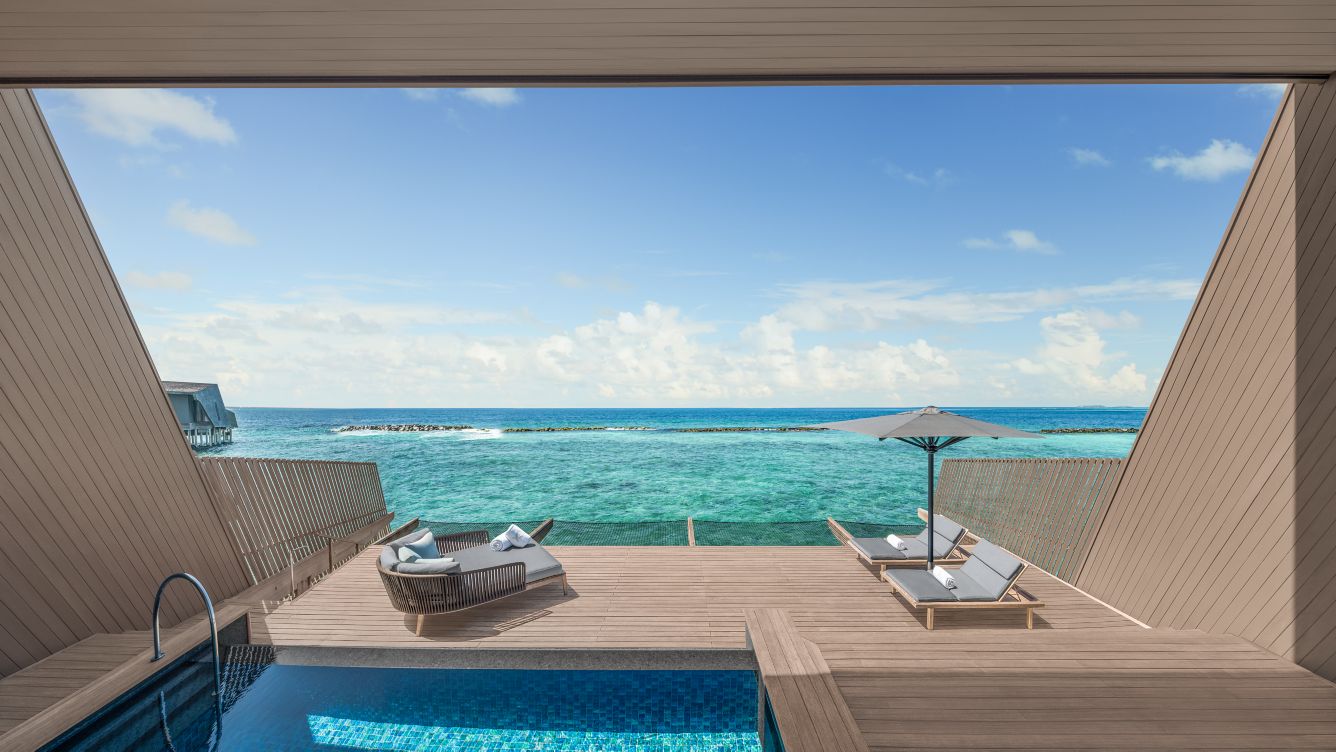
1. The “Floating” Breakfast Terrace
Nothing defines a luxury stay like a seamless connection with nature. By replacing traditional decking with high-resistance mesh, architects can create “floating” terraces that extend directly over cliff edges or water. Guests can enjoy a morning espresso while suspended over the landscape, offering an adrenaline-tinged serenity that a solid floor simply cannot replicate.
2. Overwater Yoga & Wellness Platforms
In overwater bungalow design, the goal is transparency. Marine-grade mesh provides a stable yet flexible surface ideal for wellness activities. These platforms allow guests to practice yoga while watching the aquatic life beneath them. The tactile nature of the mesh—soft on the skin but structurally uncompromising—makes it a superior alternative to hard surfaces for mindfulness zones.
3. Suspended “Chill-Out” Zones in Lobbies
First impressions are everything in hospitality interior trends. Modern luxury lobbies are moving away from traditional seating toward interactive installations. A massive, architectural-grade net suspended in a multi-story atrium creates an instant “wow” factor. It invites guests to lounge in a communal, weightless environment, turning a transit space into a destination.
4. Outdoor “Star-Gazing” Lounges
For safari lodges in remote regions like Kenya, the sky is the primary amenity. Integrating nets into the roofline of luxury suites creates an open-air bedroom effect. Unlike standard resort outdoor furniture, these integrated nets become part of the building’s skeleton, allowing guests to lie back and view the cosmos without the visual obstruction of railings or frames.
5. Seamless Infinity Pool Surrounds
Safety doesn’t have to be clinical. In high-end resorts, hospitality safety nets are being reimagined as design features. Use mesh to bridge the gap between infinity pools and steep drops. It provides a secure “catch” that is nearly invisible from a distance, maintaining the sleek, uninterrupted lines of the pool’s horizon while meeting the strictest global safety standards.
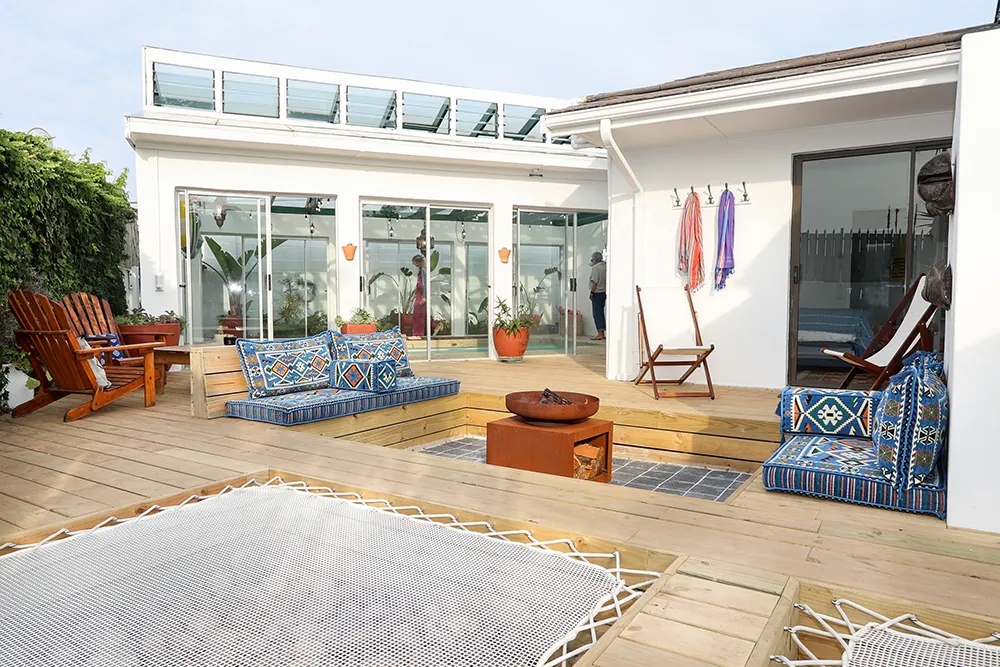
The Technical Edge: Why Marine-Grade?
For developers, the choice of material is a matter of longevity. Feelnets utilizes UV-treated, salt-resistant technical fibers designed to withstand the harshest tropical environments.
Tension Strength: Capable of supporting .
Durability: Resistant to chlorine, salt spray, and extreme UV exposure.
Maintenance: Low-moisture absorption ensures quick drying and prevents mold—critical for high-traffic hospitality zones.
Elevate Your Next Project
Integrating marine-grade mesh isn’t just a design choice; it’s a strategic move to create “Instagrammable” moments that drive bookings and build prestige. As the choice for world-class hospitality brands, Feelnets bridges the gap between technical engineering and pure, architectural art.