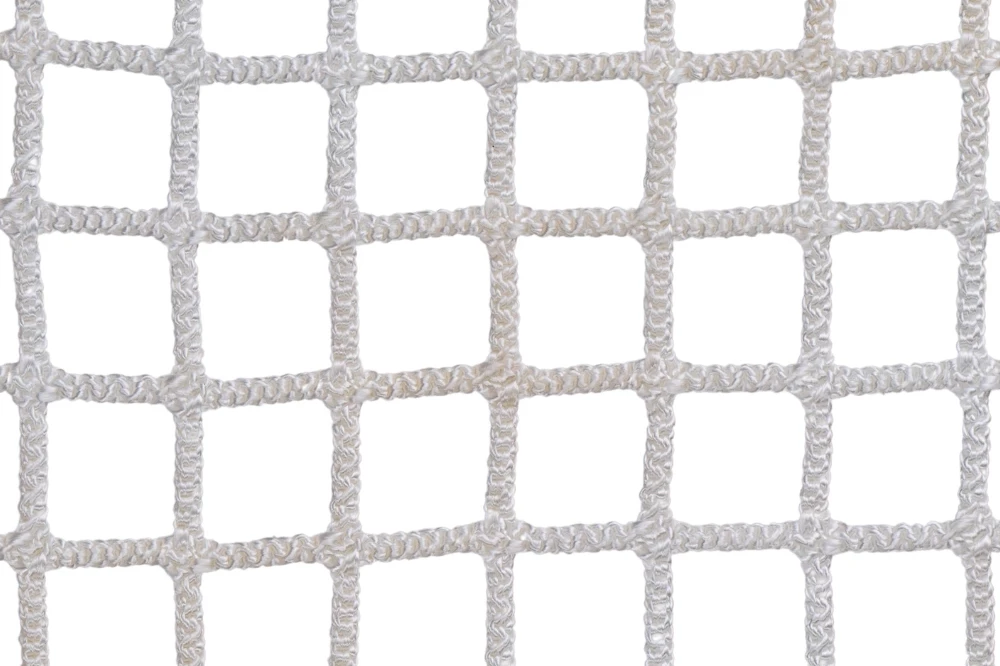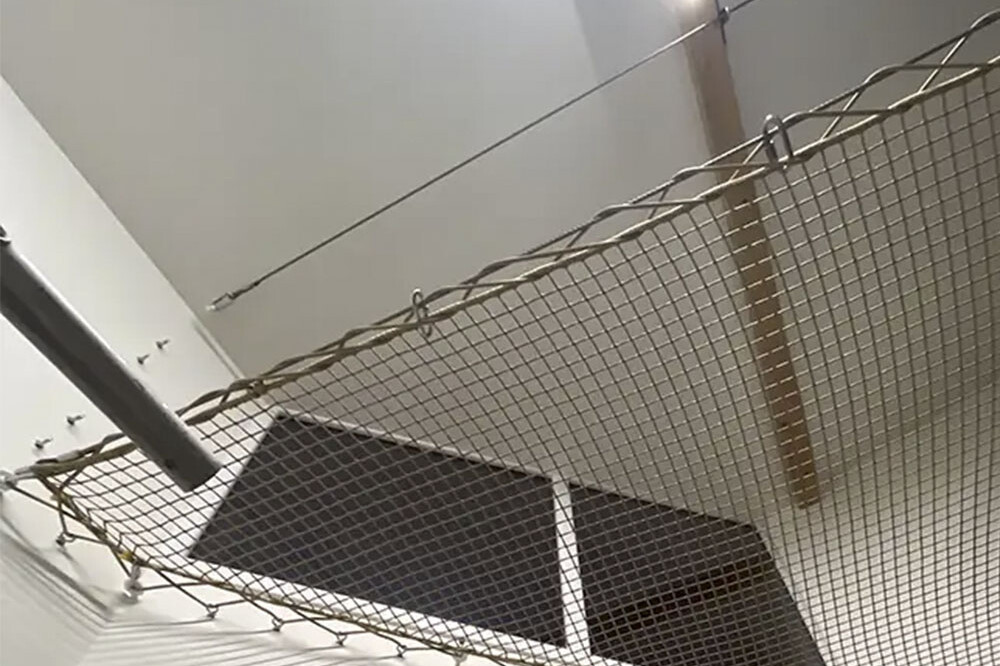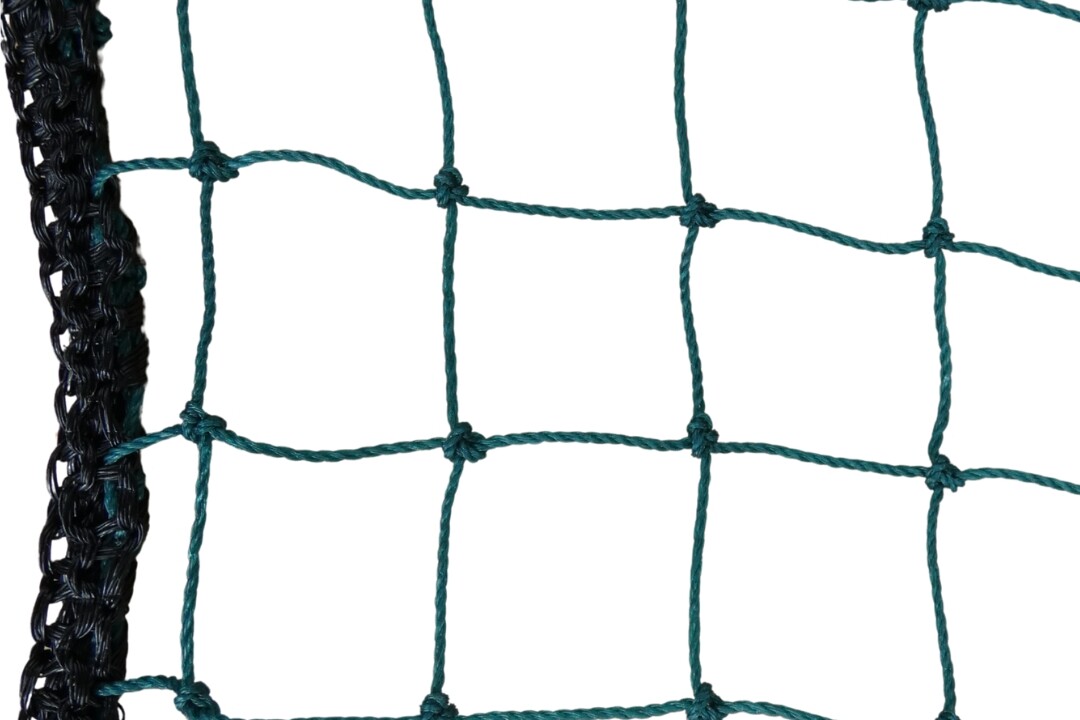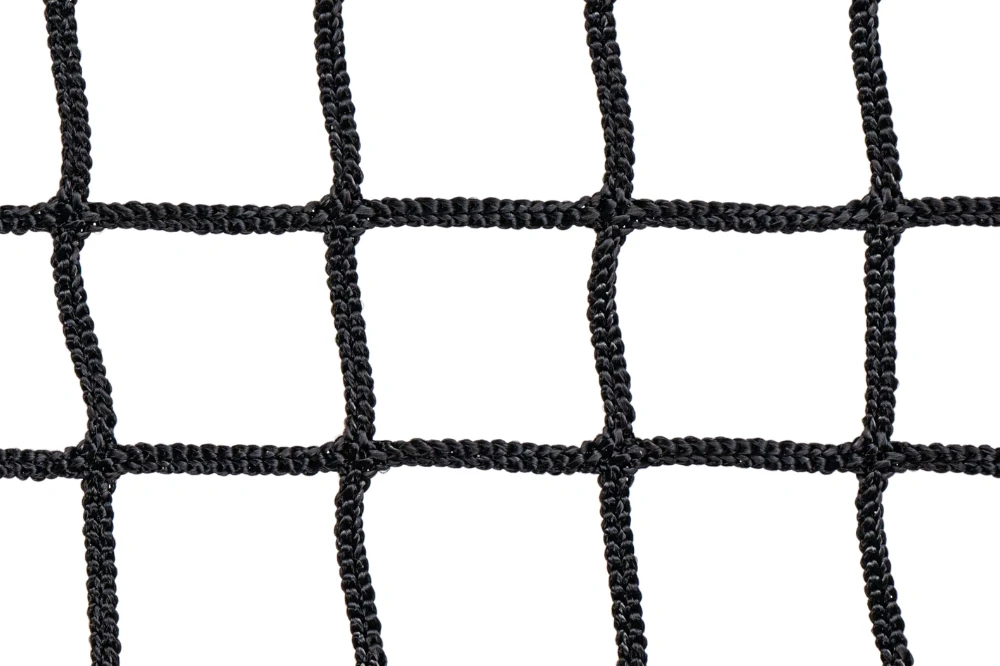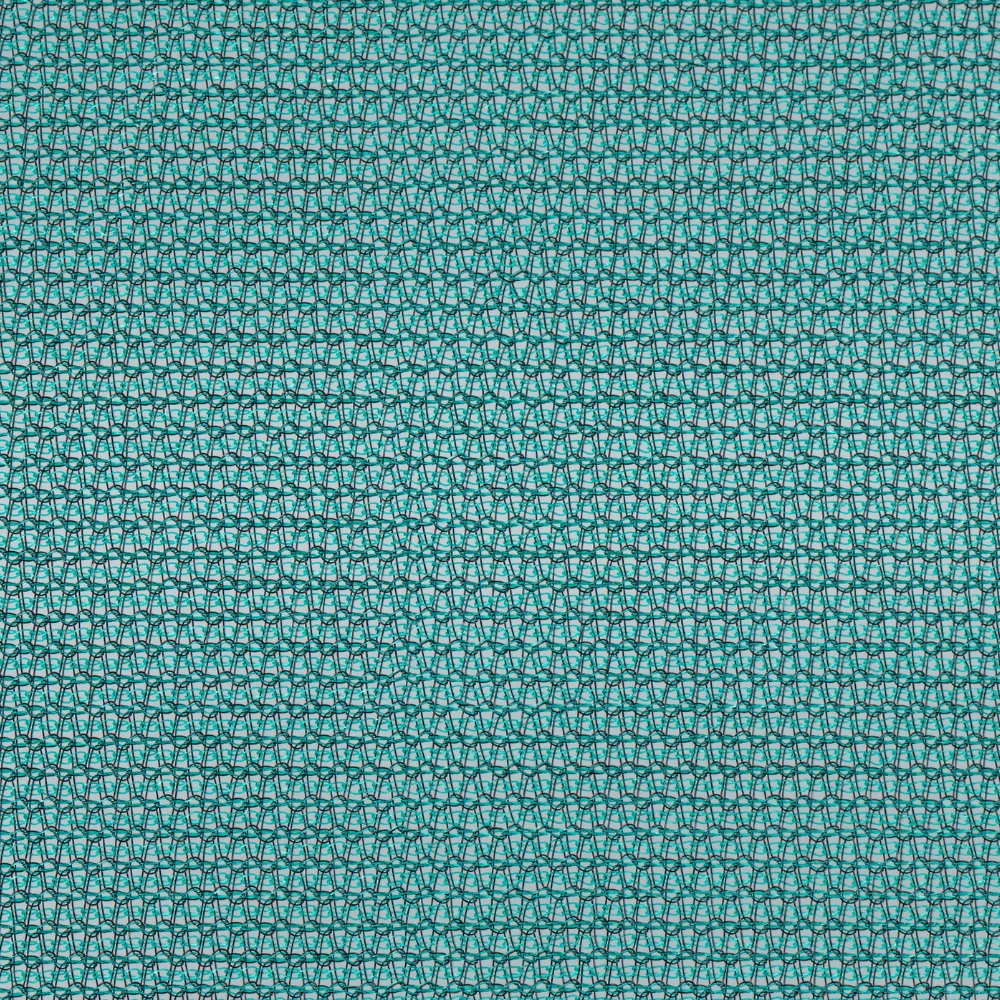
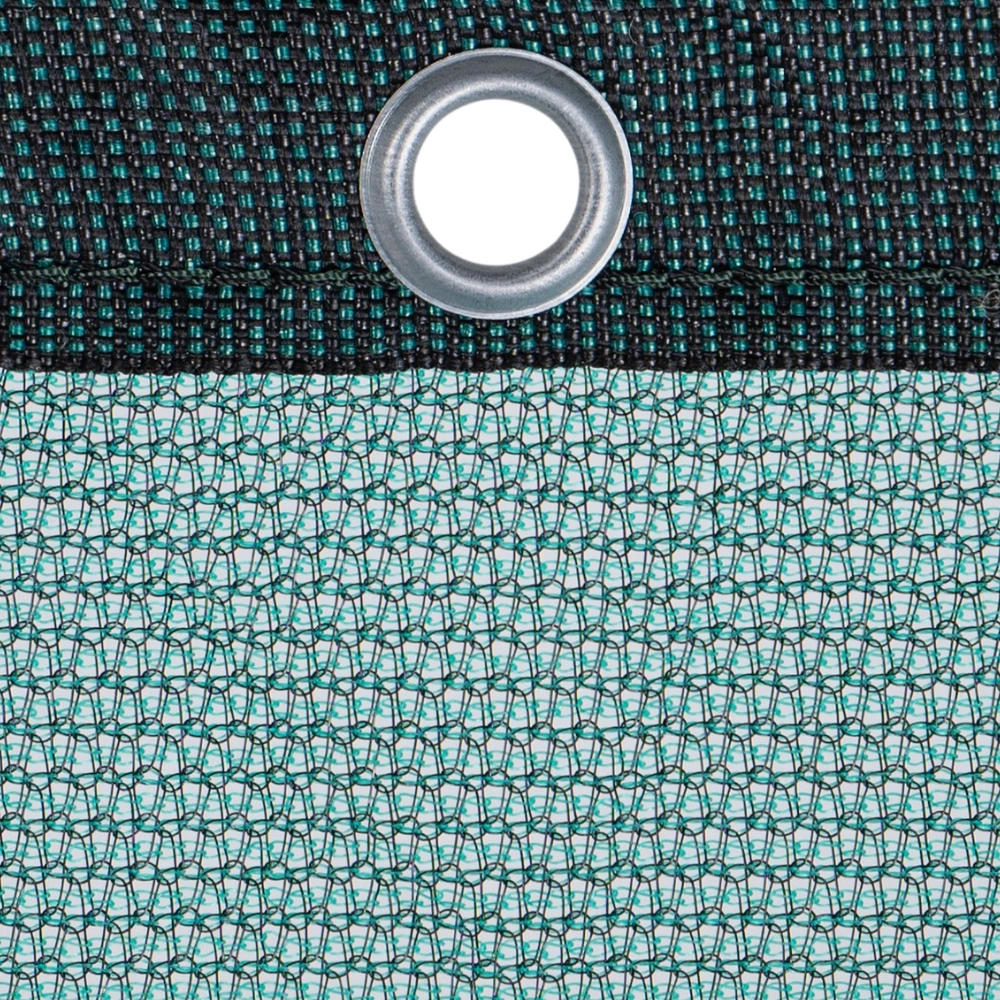
Hail protection netting is used mainly in agriculture and arboriculture to prevent hail damage to crops, particularly fruit trees, vines, vegetables or greenhouses.
Description of hail protection net
- Material: Generally made of high-density polyethylene (HDPE), UV-treated to withstand the elements and last for many years.
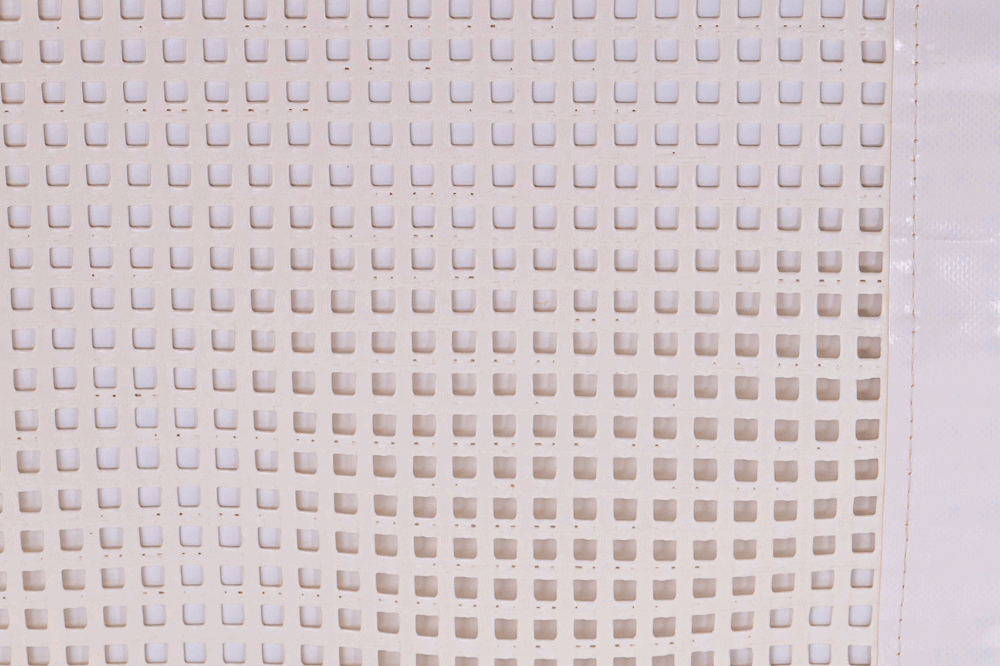
- Mesh: Fine mesh (often 3 to 5 mm) that lets air, light and water through, while stopping hailstones.
- Common colors: Transparent, white, grey or black – depending on light and heat requirements.
- Weight: Varies according to model, generally between 40 and 70 g/m².
Main functions
- Hail protection: Prevents hailstones from striking plants or fruit directly.
- Reduced economic losses: Prevents crop destruction due to bad weather.
- Improved fruit quality: fewer marks and injuries caused by impact.
- Secondary protection (depending on model): Can also provide some barrier against birds, wind or excessive sun.
Installation
- Support structure required: Poles, cables or hoops to stretch the net over the crops.
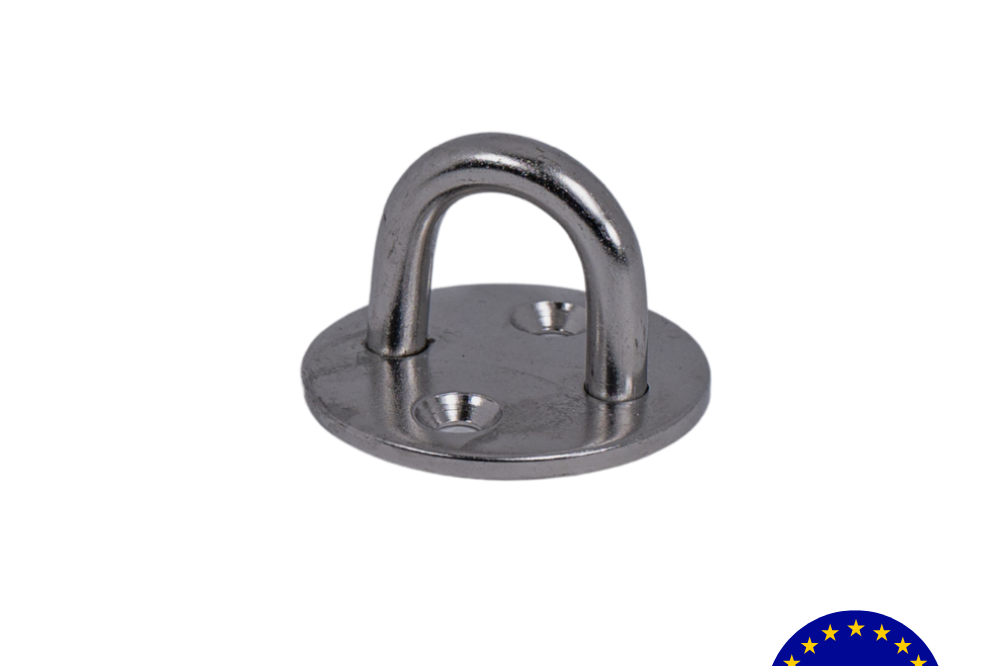
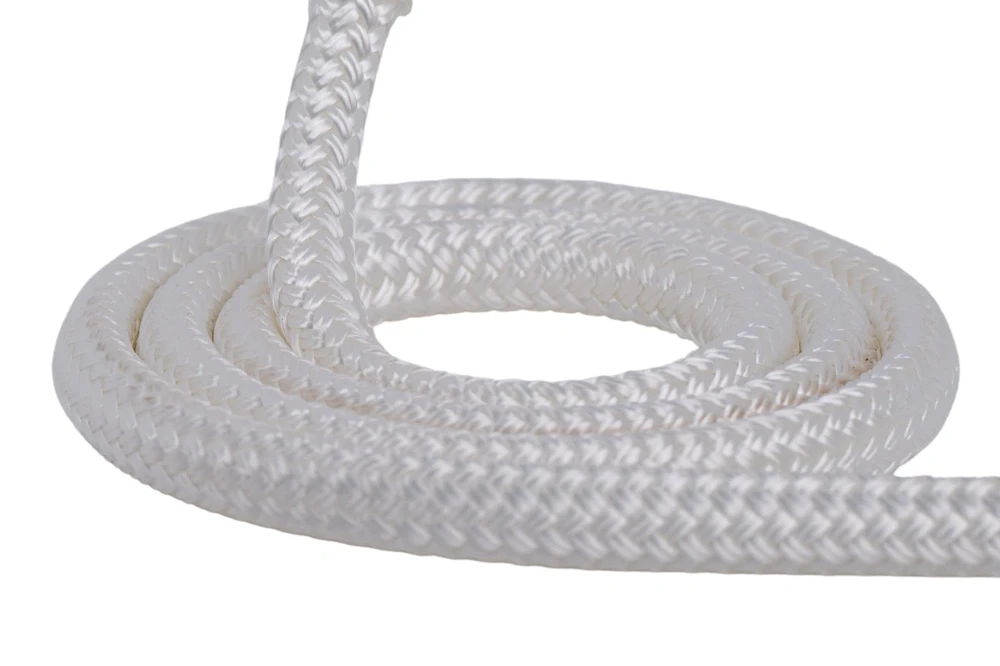
- Fastening system: hooks, clips, ropes or special fasteners.
Areas of use
- Orchards (apple, cherry, pear)
- Vineyards
- Market gardening
- Private gardens
- Greenhouses and tunnels
Guarantees
- Certified and standardized nets
- Made in France
- Manufacturing time 10 to 15 days
- International shipping
Descriptive Table of Mesh Characteristics
| Strength | Durability | Protection | UV Resistance | Hail Resistance | |
|---|---|---|---|---|---|
| Polyethylene mesh | ★★★★★ | ★★★★★ | ★★★★★ | ★★★★★ | ★★★★★ |